How To Clean A Pickleball Paddle? (Easy Steps To Restore Grip)
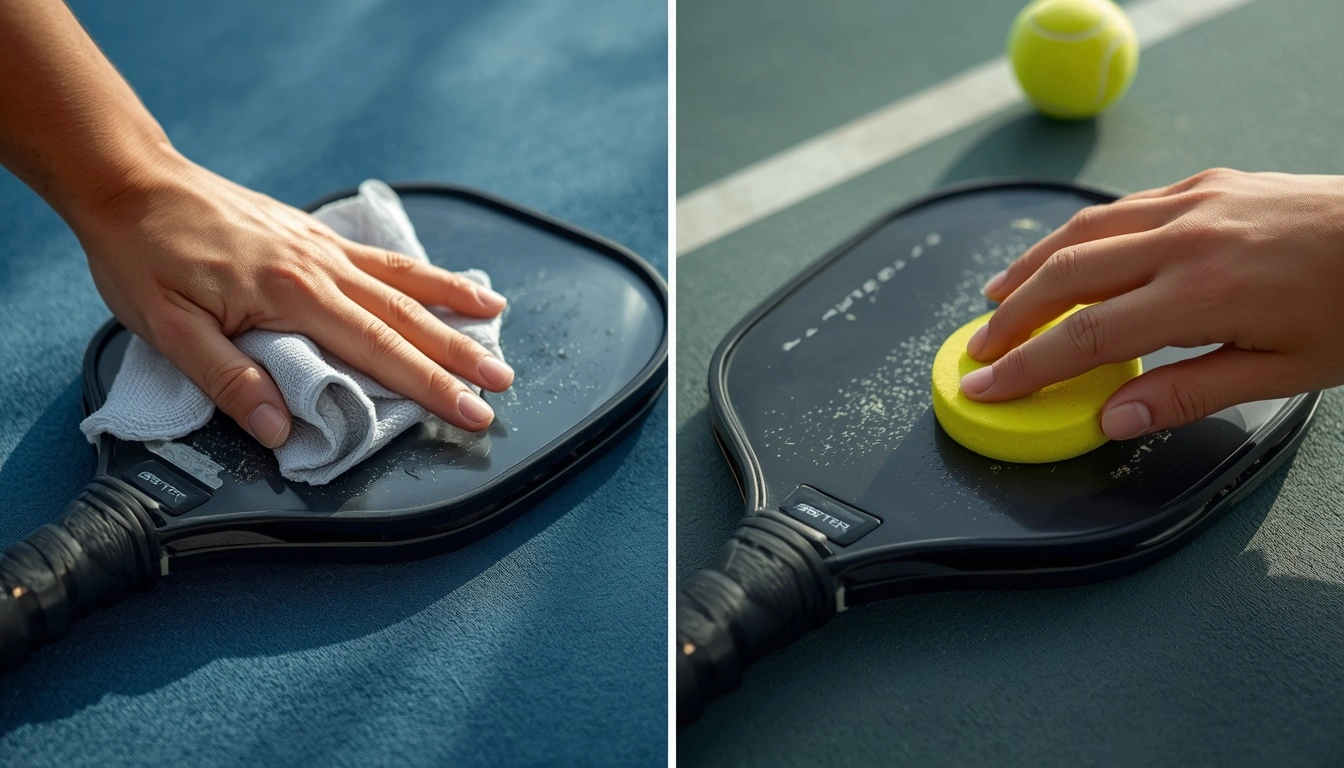
To clean a pickleball paddle, gently wipe the surface with a damp microfiber cloth to remove dirt and ball residue. For stubborn marks, use a paddle eraser or approved cleaner, then let the paddle dry completely before storing.
In this journey, you will discover how to clean a pickleball paddle the right way to keep it looking fresh, maintain its grip, and extend its lifespan with a few simple cleaning methods that every player can use.
The Best Way to Keep Your Pickleball Paddle Clean
Keeping your pickleball paddle clean is simple. Wipe the surface with a microfiber cloth after every game and use a paddle eraser for stubborn marks. Regular care helps maintain grip, spin, and overall performance.
- Clean the paddle after each session.
- Use soft cleaning tools only.
- Avoid harsh chemicals and soaking the paddle.
- Store the paddle in a cool, dry place.
Why Regular Paddle Maintenance Matters
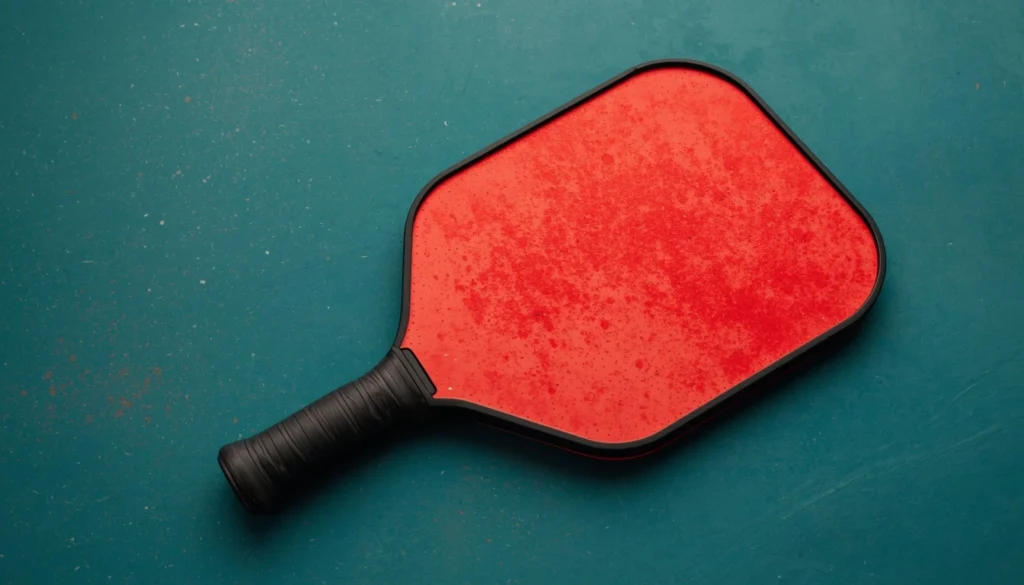
Regular paddle maintenance does more than keep your paddle looking clean. It helps preserve the surface texture, maintain spin, and extend the life of your paddle. A few minutes of care can save you from having to replace your equipment too soon.
- Keep the paddle surface in good condition.
- Helps maintain better grip and spin.
- Extends the lifespan of the paddle.
- Reduces the risk of early wear and damage.
What Makes a Pickleball Paddle Get Dirty?
A pickleball paddle collects dirt from regular play. Ball residue, sweat, dust, and outdoor conditions can all leave marks on the surface and affect performance over time.
- Most dirt comes from normal gameplay.
- Outdoor courts expose paddles to dust and debris.
- Sweat and oils can make the grip slippery.
- Cleaning regularly helps prevent buildup.
Ball Residue and Dust Buildup
Ball residue is one of the most common causes of a dirty paddle. Small particles from the ball stick to the surface and can reduce spin if left untreated.
Sweat, Oils, and Moisture on the Grip
Sweat and natural oils from your hands can build up on the handle. Over time, this can make the grip feel slippery and less comfortable.
Outdoor Courts and Environmental Debris
Playing outdoors exposes your paddle to dirt, sand, and other debris. Wind and weather conditions can also cause particles to stick to the paddle surface.
Which Cleaning Tools and Products Are Safe?
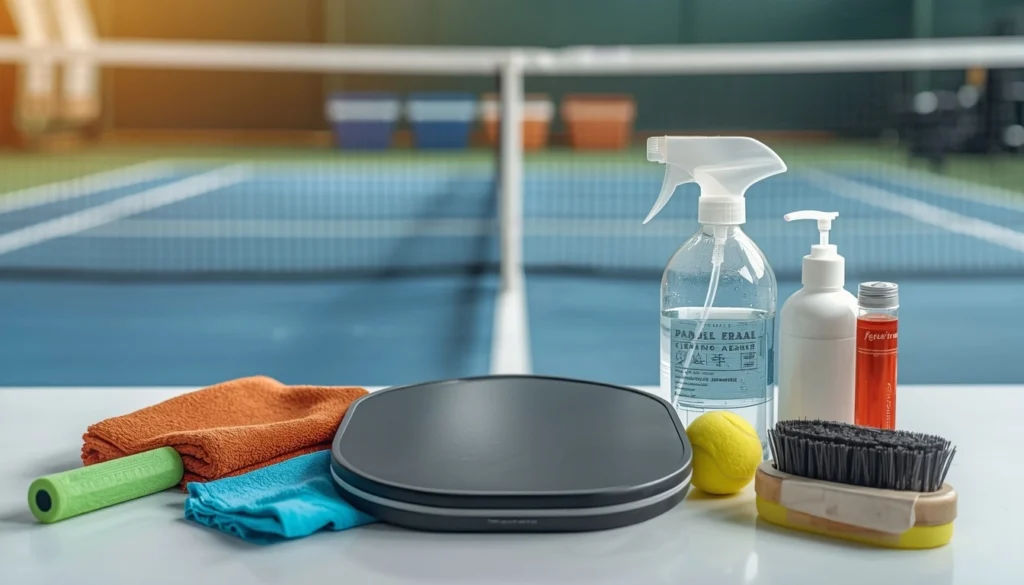
Using the right cleaning tools can help protect your paddle and maintain its performance. USA Pickleball Equipment Guidelines: Soft materials and gentle cleaners work best, while harsh products can damage the surface.
- Choose tools designed for delicate surfaces.
- Avoid strong chemicals and rough scrubbers.
- Always follow the paddle manufacturer’s care instructions.
Microfiber Cloth
A microfiber cloth is the safest option for everyday cleaning. It removes dust and debris without scratching the paddle.
Paddle Eraser
A paddle eraser is made to remove ball residue and stubborn marks. It cleans the surface without causing damage.
Mild Soap and Water
Mild soap mixed with water can help remove dirt that a dry cloth cannot. Use only a small amount and avoid soaking the paddle.
Cleaners You Should Never Use
Some products may clean quickly but can harm the paddle surface and reduce its lifespan.
- Avoid bleach and strong chemicals.
- Never use rough brushes or steel wool.
- Do not soak the paddle in water.
- Skip abrasive household cleaners.
Does Paddle Material Change the Cleaning Method?
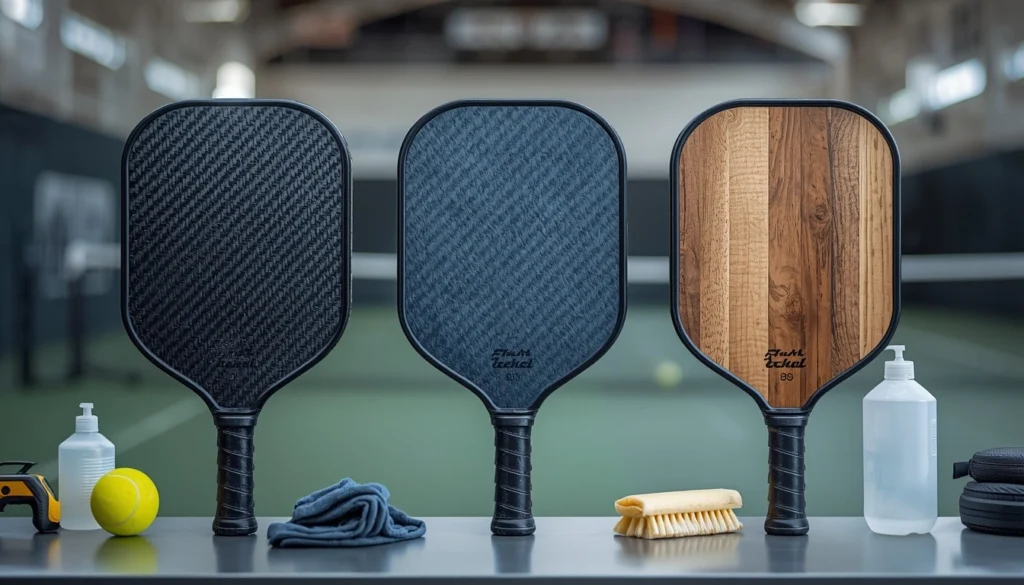
Yes, the cleaning method can vary depending on the paddle material. Using the right approach helps protect the surface and keeps the paddle performing at its best. JOOLA Paddle Care Recommendations
- Different materials react differently to cleaning.
- Gentle cleaning is safe for most paddles.
- Avoid harsh products regardless of the material.
| Paddle Material | Recommended Cleaning Method | What to Avoid |
| Carbon Fiber | Microfiber cloth and paddle eraser | Excess water and harsh chemicals |
| Fiberglass | Damp cloth with mild soap | Abrasive cleaners |
| Graphite | Soft microfiber cloth | Hard brushes and rough sponges |
Cleaning Carbon Fiber Paddles
Carbon fiber paddles can collect ball residue over time. A microfiber cloth and paddle eraser are usually enough to keep the surface clean.
Cleaning Graphite Paddles
Graphite paddles are lightweight and easy to maintain. Regular wiping with a soft cloth helps keep them in good condition.
How to Clean the Paddle Grip and Edge Guard
The grip and edge guard also need attention because they collect sweat and dirt during play. Keeping these areas clean improves comfort and extends the paddle’s lifespan.
- Wipe the grip with a slightly damp cloth.
- Dry the handle before storing the paddle.
- Remove dirt from the edge guard with a soft brush.
- Replace worn grips when needed.
Also Read: How To Regrip A Pickleball Paddle?
How Often Should You Clean Your Paddle?
How often you clean your pickleball paddle depends on how frequently you play. Regular cleaning helps maintain stable performance and prevents dirt buildup that can affect spin and grip.
- Frequent players need more regular cleaning.
- Casual players can clean less often.
- Always wipe after outdoor games.
Different Cleaning Situations Players Face
Every pickleball game is different, and so is the way your paddle gets dirty. Knowing the situation helps you clean it properly without damaging the surface.
- Outdoor games cause more dust and debris.
- Intense matches create more sweat and grip buildup.
- Tournament play needs quick but effective cleaning.
Signs Your Paddle Needs Attention
A dirty paddle is not always the problem. Sometimes, changes in performance or visible wear are signs that your paddle needs cleaning or extra care.
- Loss of spin can indicate surface buildup.
- A slippery grip affects comfort and control.
- Cracks and chips may require repair or replacement.
Also Read: How Long Do Pickleball Paddles Last?
Common Mistakes That Can Damage Your Paddle
Cleaning a pickleball paddle is easy, but using the wrong method can shorten its lifespan. Avoiding a few common mistakes can help keep your paddle in top condition.
- Harsh chemicals can damage the surface.
- Excess water may weaken the paddle over time.
- Rough cleaning tools can leave scratches.
Step-by-Step Guide to Cleaning a Pickleball Paddle
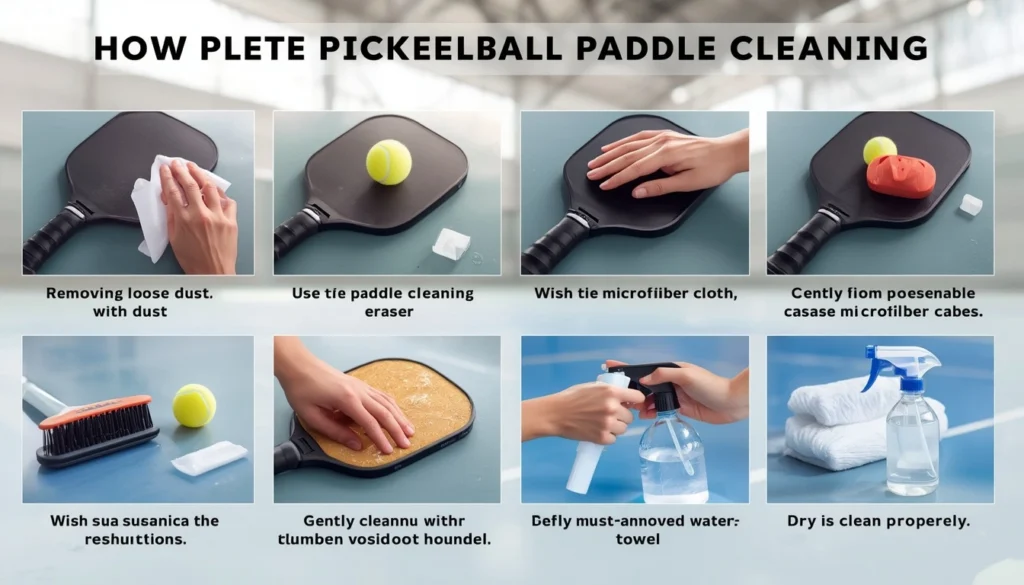
Cleaning a pickleball paddle takes only a few minutes. Using the right tools and following the proper steps can help maintain its performance and extend its lifespan.
- Gather the right cleaning supplies first.
- Clean the surface gently to avoid damage.
- Dry the paddle completely before storing it.
How to Make Your Pickleball Paddle Last Longer
Proper care does more than keep your paddle clean. Good habits can extend its lifespan and help maintain consistent performance on the court.
Also Read: What Makes A Good Pickleball Paddle?
- Clean the paddle regularly.
- Protect it from heat and moisture.
- Replace worn parts when needed.
FAQs:
What Happens If You Never Clean Your Pickleball Paddle?
Dirt and ball residue can reduce spin, affect control, and shorten the paddle’s lifespan over time.
How Can You Tell If Your Paddle Needs More Than Cleaning?
Visible cracks, poor performance, or a worn-out grip may mean the paddle needs repair or replacement.
Can a Dirty Pickleball Paddle Affect Your Shots?
Yes, dirt buildup can reduce surface friction and make spin and shot control less consistent.
Is It Safe to Use Water on a Pickleball Paddle?
Yes, a slightly damp cloth is safe, but soaking the paddle in water should be avoided.
Should You Clean a New Pickleball Paddle Before Using It?
No, new paddles are ready to use, but regular cleaning after games helps maintain their performance.
Conclusion:
Knowing how to clean a pickleball paddle is essential for maintaining grip, spin, and overall performance. By using safe cleaning tools, avoiding common mistakes, and following regular paddle maintenance, you can remove dirt and ball residue, extend your paddle’s lifespan, and enjoy more consistent play on the court.