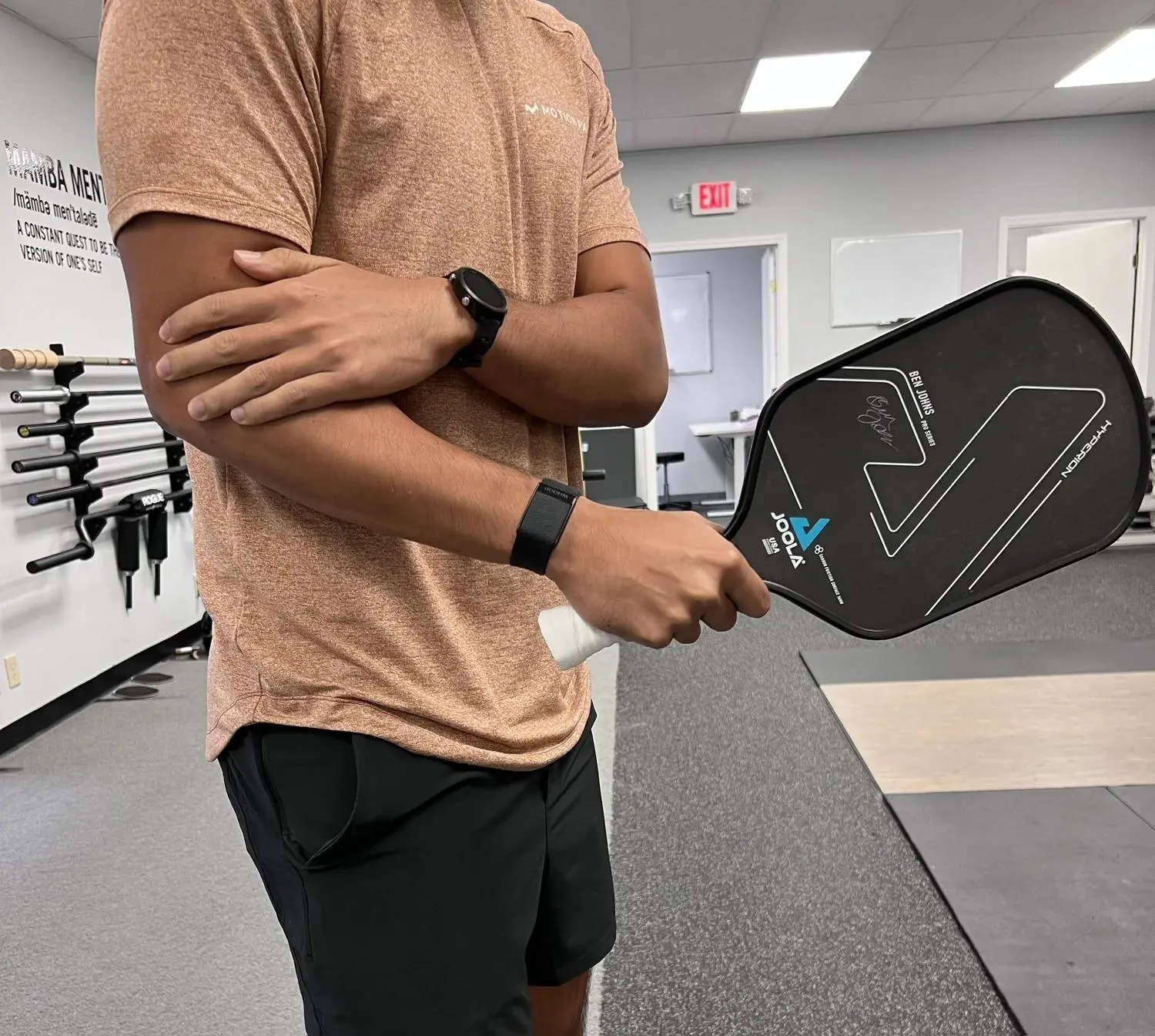
Best Pickleball Paddle For Tennis Elbow (2026): Top 10 Expert Picks
The best pickleball paddle for tennis elbow in 2026 is one that reduces vibration, has a larger sweet spot, and feels comfortable during long games. Lightweight or midweight paddles with a soft, forgiving face help reduce arm strain and make playing more comfortable.
In this article, you will discover the best pickleball paddles for tennis elbow in 2026, learn which features reduce arm pain, compare top-rated options, and find the right paddle to play more comfortably while protecting your elbow.
Our Top Picks for Tennis Elbow Relief in 2026
If you are dealing with tennis elbow, the best pickleball paddle is one that reduces vibration, has a large sweet spot, and feels comfortable during long matches. After comparing comfort, control, weight, core thickness, and player feedback, these are the best paddles to consider in 2026.
Best Picks
- Best Overall: JOOLA Agassi Pro
- Best Budget: Friday Original Paddle
- Best Premium: Selkirk LUXX Control Air
- Best Lightweight: Paddletek Bantam TS-5
- Best for Former Tennis Players: CRBN TruFoam Genesis
- Best Control: Selkirk Vanguard Control
- Best Power Without Extra Arm Stress: Six Zero Double Black Diamond Control
Comparison Table
| Category | Recommended Paddle | Best For | Why It Helps Tennis Elbow |
| Best Overall | JOOLA Agassi Pro | Most players | Excellent vibration control and large sweet spot |
| Best Budget | Friday Original Paddle | New players | Comfortable feel at an affordable price |
| Best Premium | Selkirk LUXX Control Air | Serious players | Soft feel with outstanding shock absorption |
| Best Lightweight | Paddletek Bantam TS-5 | Players with arm fatigue | Easy to swing and reduces strain |
| Best for Tennis Players | CRBN TruFoam Genesis | Tennis converts | Familiar feel with excellent control |
| Best Control | Selkirk Vanguard Control | Precision players | Stable response with less arm impact |
| Best Power | Six Zero Double Black Diamond Control | Aggressive players | Strong power without excessive vibration |
Why the Right Paddle Can Reduce Elbow Pain
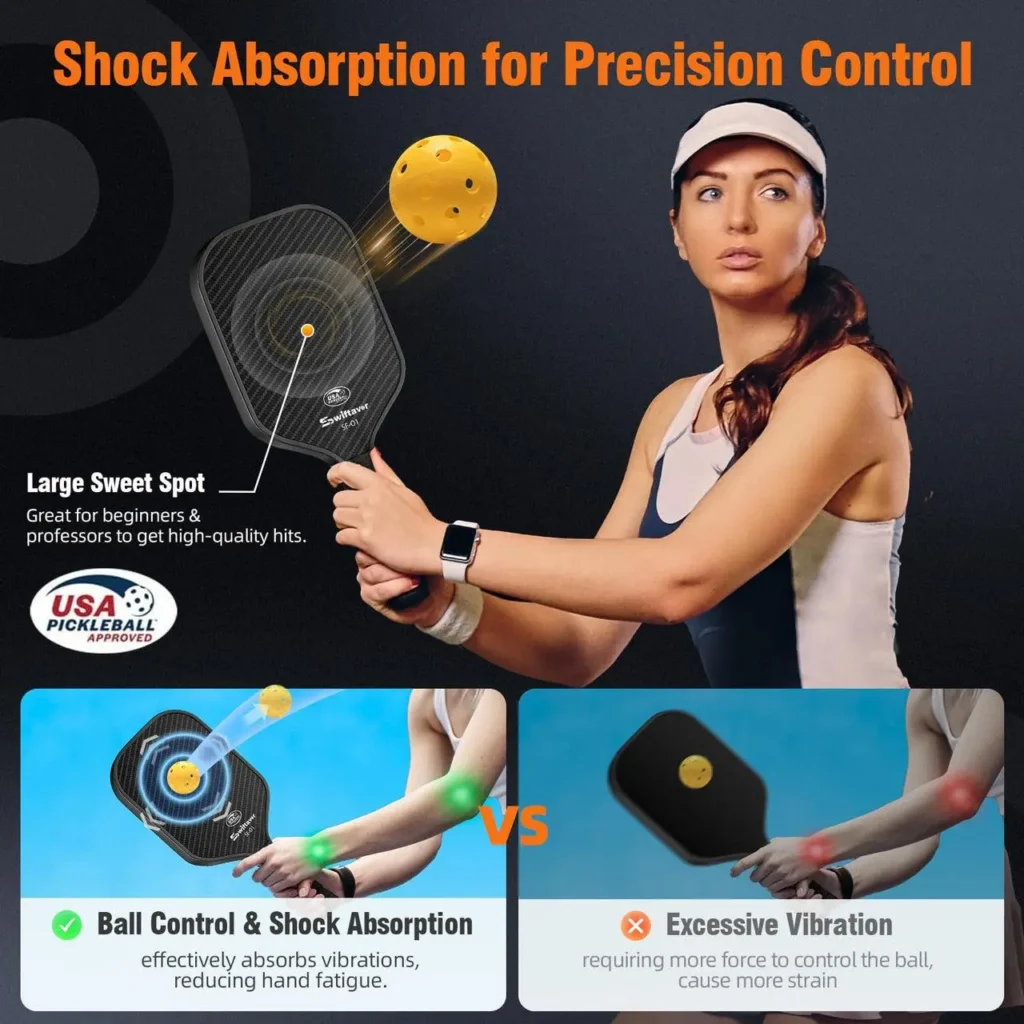
The right pickleball paddle cannot cure tennis elbow, but it can reduce the stress placed on your arm during every shot. A paddle with less vibration, a larger sweet spot, and the right weight helps you play more comfortably while reducing the risk of worsening elbow pain.
Many players focus only on power or spin when buying a paddle. However, if you have tennis elbow, comfort should come first. Choosing a paddle designed to absorb shock can make a noticeable difference, especially during long matches or frequent practice sessions.
How Paddle Vibration Affects Your Arm
Every time the ball hits the paddle, small vibrations travel through the handle and into your arm. If these vibrations are strong, they can put extra stress on the tendons around your elbow and increase discomfort over time.
Paddles with thicker cores and better vibration-dampening materials absorb more impact before it reaches your hand. This creates a softer feel and helps many players enjoy longer games with less arm fatigue.
Why a Larger Sweet Spot Matters
A larger sweet spot means the paddle performs well even when you don’t hit the ball perfectly. Instead of sending harsh shock through your arm, the paddle delivers a smoother and more controlled response.
For players with tennis elbow, this added forgiveness reduces unnecessary strain and helps improve consistency without swinging harder.
Why Weight and Balance Make a Difference
A paddle that is too light may force you to swing faster for power, while one that is too heavy can place extra pressure on your wrist, forearm, and elbow. The goal is to find a comfortable balance that matches your playing style.
Most players with tennis elbow find that a lightweight to midweight paddle offers the best mix of comfort, control, and stability. Combined with the right grip size, it can reduce fatigue and make each shot feel more natural.
What Causes Tennis Elbow in Pickleball?
Tennis elbow develops when the tendons on the outside of your elbow are overworked from repeated swings and impact. Read the Mayo Clinic guide to tennis elbow. While the wrong paddle can add extra stress, poor technique, overplaying, and using the wrong grip size are often the biggest reasons the pain starts.
Understanding the real cause is important because changing your paddle alone may not solve the problem. A combination of the right equipment and better playing habits usually provides the best long-term relief.
Common Playing Mistakes That Trigger Pain
Many players accidentally put too much stress on their elbow without realizing it. Small mistakes repeated over hundreds of shots can lead to soreness and inflammation.
- Gripping the paddle too tightly during every shot.
- Using mostly your arm instead of your whole body.
- Playing for long periods without taking breaks.
- Skipping warm-up exercises before a match.
- Increasing playing time too quickly after a break.
Can the Wrong Paddle Make Tennis Elbow Worse?
Yes, it can. A paddle that sends more vibration into your arm or has the wrong weight and grip size may increase the stress on your elbow with every hit.
While a paddle does not directly cause tennis elbow, using one that doesn’t match your needs can make existing pain worse and slow your recovery.
Does Your Playing Style Affect Elbow Pain?
Your playing style also plays a major role. Players who rely on powerful drives, hard serves, and fast overhead shots usually place more stress on their elbow than those who focus on control and placement.
Learning to use smooth, controlled swings rather than forcing power can reduce strain and help you stay consistent on the court.
Which Paddle Specifications Matter Most?
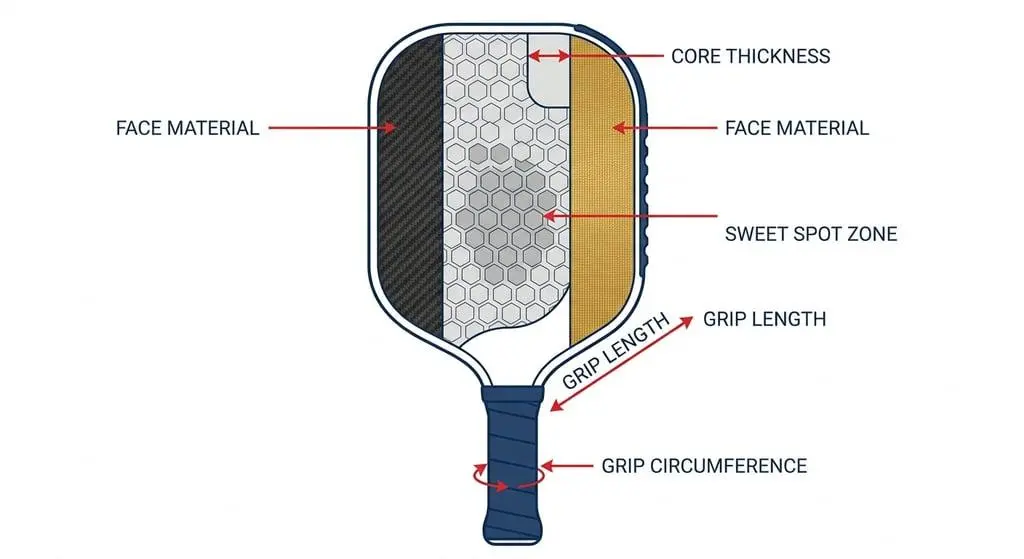
The best pickleball paddle for tennis elbow is not just about the brand. The right weight, core thickness, grip size, and face material all work together to reduce vibration and improve comfort. Understanding these features will help you choose a paddle that supports your game and protects your arm.
Instead of buying the most expensive paddle, focus on the specifications that match your playing style and physical needs. A well-balanced paddle can make every shot feel smoother while reducing unnecessary stress on your elbow.
Also Read: What Makes A Good Pickleball Paddle?
Best Paddle Weight for Tennis Elbow
Most players with tennis elbow feel more comfortable using a paddle that weighs between 7.6 and 8.2 ounces. This range offers a good balance of control, stability, and reduced arm fatigue.
Very light paddles may require faster swings to generate power, while heavy paddles can place extra strain on your elbow during long matches.
Also Read: Where To Put Weights On A Pickleball Paddle?
Is a 16mm Core Better Than a 14mm Core?
In most cases, yes. A 16mm core absorbs more vibration and creates a softer feel at impact, making it a popular choice for players with arm pain.
A 14mm core offers more pop and power, but it usually transfers more shock into your arm. If comfort is your priority, a 16mm core is often the better option.
Which Grip Size Is Best for Comfort?
Using the correct grip size helps your hand stay relaxed during play. A grip that is too small or too large forces your forearm muscles to work harder, increasing the risk of elbow discomfort.
Most adults are comfortable with grip sizes between 4.125 and 4.25 inches, but the best fit depends on your hand size and personal preference.
Also Read: How To Regrip A Pickleball Paddle?
Carbon Fiber vs. Fiberglass: Which Is Better?
Carbon fiber paddles usually provide better control, a more consistent response, and less unwanted vibration. They are often the preferred choice for players recovering from tennis elbow.
Fiberglass paddles generate more power and a livelier feel, but they can transfer slightly more impact to your arm during hard shots.
Paddle Specification Comparison
| Specification | Best Choice for Tennis Elbow | Why It Helps |
| Weight | 7.6–8.2 oz | Reduces arm fatigue while maintaining stability. |
| Core Thickness | 16mm | Absorbs vibration and softens impact. |
| Grip Size | 4.125–4.25 in | Keeps your grip relaxed and comfortable. |
| Face Material | Carbon Fiber | Offers better control with less vibration. |
| Sweet Spot | Large | Reduces shock from off-center hits. |
Which Paddle Is Best for Your Playing Style?
The best paddle for tennis elbow depends on how you play. A beginner usually needs a forgiving paddle with a large sweet spot, while an experienced player may prefer more control or power. Choosing a paddle that matches your skill level helps reduce arm strain and improves your overall game.
Instead of buying the paddle your friends use, think about your playing style, shot selection, and experience. The right match will feel more comfortable and help you play with confidence.
Best for Beginners
Beginners should choose a paddle that is easy to control and forgiving on off-center hits. A lightweight or midweight paddle with a thick core makes learning the game more comfortable and reduces unnecessary stress on the elbow.
Focus on consistency rather than power. Building good technique early can also lower your risk of developing tennis elbow.
Best for Intermediate Players
Intermediate players often benefit from a paddle that balances power and control. At this stage, you need enough stability for faster rallies without adding extra vibration to your arm.
A carbon fiber paddle with a 16mm core is a solid choice because it offers comfort while supporting more advanced shots.
Best for Advanced and Tournament Players
Experienced players usually want better precision, spin, and shot placement. However, comfort should still be a priority if you have tennis elbow.
A premium control paddle with excellent vibration dampening allows you to compete at a high level while reducing stress during long matches.
Best for Former Tennis Players
Players moving from tennis often prefer paddles with a familiar feel and slightly more weight. While this can improve confidence, avoid choosing a paddle that is too heavy, as it may increase elbow fatigue.
A balanced paddle with a comfortable grip and soft response makes the transition to pickleball easier and helps protect your arm.
When Should You Stop Playing and Replace Your Paddle?
Not every case of tennis elbow means you need a new paddle or should stop playing immediately. However, if your pain continues to get worse, affects your daily activities, or doesn’t improve with rest, it’s time to pay closer attention. Knowing when to make a change can help prevent a minor problem from becoming a long-term injury.
Your paddle should feel comfortable and stable throughout the game. If it no longer supports your playing style or increases arm discomfort, replacing it may be a smart investment for both your performance and your health.
Signs Your Paddle May Be Contributing to Pain
A worn-out or poorly matched paddle can place extra stress on your elbow. While it isn’t always the main cause, it can make recovery more difficult.
Also Read: How Long Do Pickleball Paddles Last?
- Pain becomes worse after every match.
- The paddle feels harsh or vibrates too much.
- Your grip feels uncomfortable or too small.
- You notice less control and more off-center hits.
- The paddle has visible damage or excessive wear.
When Elbow Pain Needs Medical Attention
Mild soreness after playing is common, but ongoing or severe pain should not be ignored. Getting the right treatment early can help you recover faster and avoid more serious tendon damage. American Academy of Orthopaedic Surgeons (AAOS)
Consider seeing a healthcare professional if:
- Pain lasts for several weeks despite rest.
- You cannot grip or lift everyday objects comfortably.
- Swelling or weakness continues to increase.
- You feel sharp pain even when you’re not playing.
- Home treatments are no longer helping.
How to Prevent Tennis Elbow While Playing Pickleball
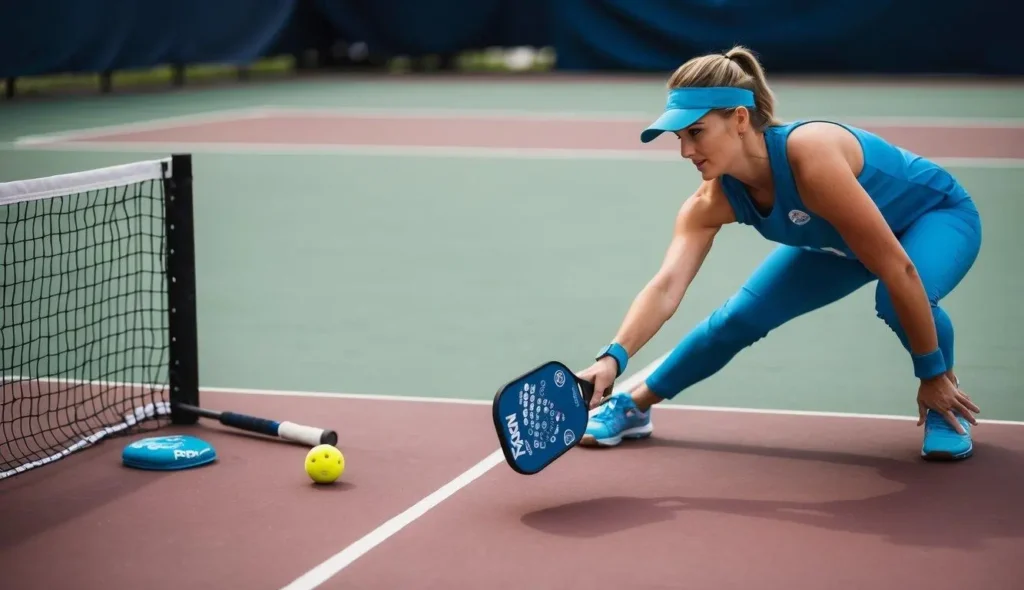
Preventing tennis elbow is easier than treating it. Using the right paddle is a great start, but good technique, proper warm-ups, and allowing your body enough time to recover are just as important. Small changes in your routine can make a big difference over time.
Whether you’re a beginner or an experienced player, protecting your elbow should be part of every game. The goal is to enjoy pickleball without putting unnecessary stress on your arm.
Improve Your Grip and Swing Technique
Many players hold the paddle too tightly, especially during fast rallies. A relaxed grip and smooth swing help reduce the force that travels through your forearm and elbow.
Try using your shoulders and body rotation instead of relying only on your arm. This spreads the workload across larger muscles and reduces strain on your elbow.
Use the Right Paddle Accessories
The right accessories can make your paddle more comfortable to use. An overgrip with extra cushioning improves grip comfort and helps reduce vibration, while an elbow support brace may provide added stability during play.
These accessories won’t cure tennis elbow, but they can help reduce discomfort when used along with proper technique and the right paddle.
Warm-Up and Recovery Tips
A few minutes of preparation before playing can lower your risk of injury. Light stretching and gentle arm movements prepare your muscles and tendons for the demands of the game.
After your match, give your body time to recover. Rest when needed, stay hydrated, and avoid playing through pain, especially if your elbow already feels sore.
How We Chose the Best Paddles
Choosing the best pickleball paddles for tennis elbow requires more than looking at popular brands. We focused on the features that matter most for comfort, performance, and long-term arm health. Every recommendation in this guide was selected based on factors that can make a real difference for players dealing with elbow pain.
Our goal was to recommend paddles that help reduce vibration, improve control, and provide a comfortable playing experience without sacrificing overall performance.
Our Evaluation Criteria
We compared each paddle using the same standards to make sure every recommendation was fair and useful.
- Shock and vibration reduction during ball impact.
- Weight and overall balance for arm comfort.
- Core thickness and sweet spot size.
- Grip comfort and available grip sizes.
- Control, power, and forgiveness.
- Value for the price and overall build quality.
What Matters Most for Tennis Elbow?
Not every high-end paddle is the right choice for players with tennis elbow. Instead of focusing only on power or spin, we gave extra importance to comfort and stability.
Paddles that combine a thick core, a forgiving sweet spot, balanced weight, and quality materials ranked higher because they help reduce stress on the elbow during regular play.
FAQs:
How Long Does It Take for Tennis Elbow to Improve After Switching Paddles?
Many players notice less discomfort within a few weeks, but full recovery depends on proper rest, treatment, and using the right paddle.
What Is the Biggest Mistake Players Make When Choosing a Paddle?
Many players buy a paddle for power instead of comfort, which can increase vibration and put extra stress on the elbow.
Can a Soft Pickleball Paddle Prevent Tennis Elbow?
Yes. A softer paddle can reduce vibration and impact, helping lower stress on your elbow during play.
Should You Keep Playing If You Have Tennis Elbow?
No. If the pain is getting worse or affecting your game, it’s best to rest and let your elbow recover before returning to the court.
Is an Expensive Pickleball Paddle Always Better for Tennis Elbow?
No. A paddle with the right weight, core, and grip is more important than its price when it comes to reducing elbow strain.
Conclusion:
Choosing the best pickleball paddle for tennis elbow can make a big difference in your comfort and performance on the court. By selecting the right weight, grip size, and vibration-reducing design, you can play with greater confidence while reducing arm strain. Use this 2026 guide to find a paddle that fits your playing style and supports long-term elbow health.