Best Pickleball Shoes For Wide Feet: 7 Wide-Fit Picks That Actually Fit
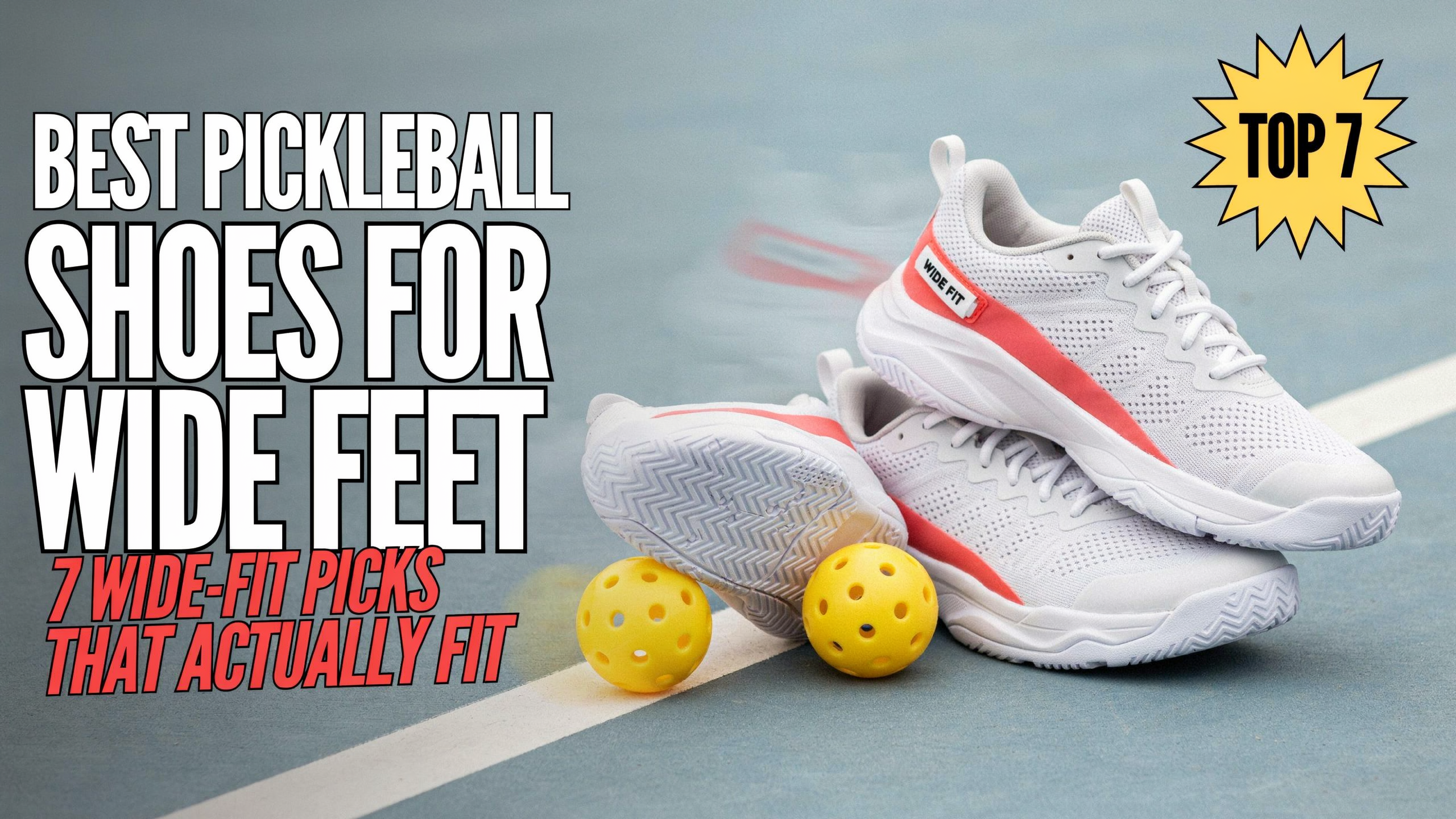
The best pickleball shoes for wide feet offer a roomy toe box, secure heel, and strong lateral support. Top choices include New Balance, K-Swiss, ASICS, and FitVille, with 2E or 4E widths available for players needing extra space and comfort.
In this guide, we will explore the best pickleball shoes for wide feet, focusing on roomy toe boxes, comfortable fits, and reliable court stability to help you find a pair that feels right from the first game.
Which Pickleball Shoes Are Best for Wide Feet?
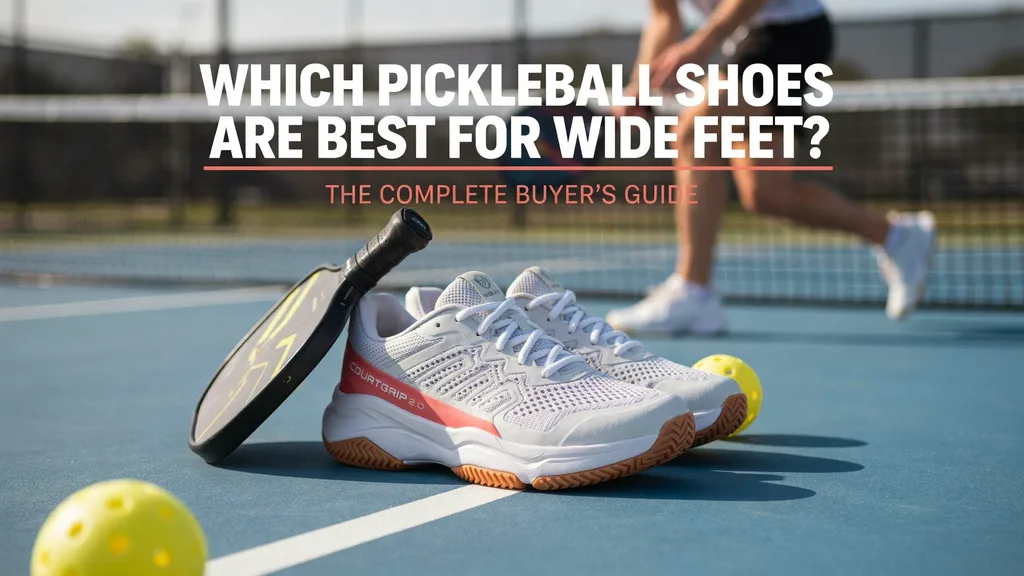
The best pickleball shoes for wide feet should give your toes enough room while keeping your heel secure during quick side-to-side movements. Look for true wide options, such as 2E or 4E, rather than simply buying a longer shoe.
- New Balance 996v6: A strong all-around choice with 2E and 4E options.
- K-Swiss Express Light: A lightweight option with a genuine 2E fit.
- FitVille Wide Pickleball Shoes: Worth considering if you need extra forefoot space and 4E width.
- ASICS Gel-Resolution: A good option when you want wide sizing plus strong stability for aggressive movement.
Why Do Wide Feet Need Different Pickleball Shoes?
Wide feet need more than extra room. Pickleball involves frequent side-to-side movement, quick stops, and pivots, so a narrow shoe can squeeze the forefoot, reducing comfort and stability.
- More lateral movement: Quick cuts push your foot toward the shoe’s sides.
- Less toe pressure: A wider forefoot gives your toes room to spread naturally.
- Better stability: A proper wide fit helps keep your foot from sliding inside the shoe.
- Fewer hot spots: Enough space can reduce rubbing around the toes and forefoot.
The key is proper width, not simply a longer shoe. Going up a half-size adds length but does not solve the main problem if your foot is wide across the forefoot.
Why Do Wide Feet Need Different Pickleball Shoes?
Wide feet need shoes that give the forefoot enough space without making the heel or midfoot loose. Pickleball involves frequent lateral movements, so a proper fit helps you stay comfortable and stable during quick cuts and stops.
- More room up front: A wider toe box lets your toes spread naturally instead of being squeezed together.
- Better side-to-side control: A secure fit helps prevent your foot from sliding inside the shoe during quick movements.
- Less rubbing: Extra forefoot space can reduce pressure points, hot spots, and blisters.
- Better balance: The shoe should be wide where your foot needs it while still holding the heel firmly.
The important point: Don’t solve a width problem by simply buying a longer shoe. Extra length can leave your heel loose while your forefoot still feels cramped.
What Makes a Pickleball Shoe Truly Wide-Friendly?
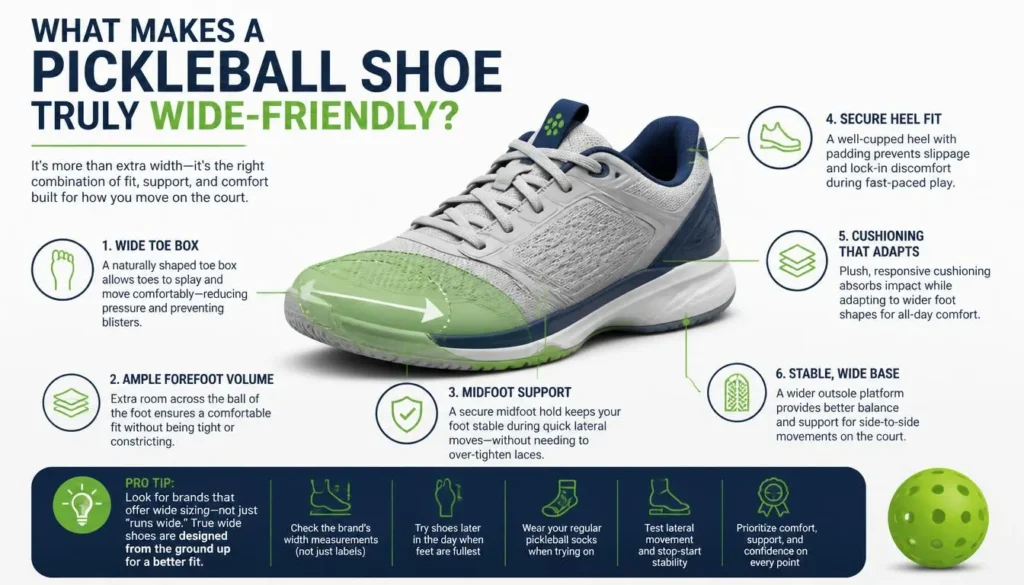
A truly wide-friendly pickleball shoe does more than add space at the toes. It should provide enough forefoot width, a secure heel, and strong lateral support so your foot stays comfortable and stable during quick court movements.
- Roomy toe box: Your toes should spread naturally without pressing against the upper.
- True wide sizing: Look for dedicated 2E or 4E options instead of relying only on a shoe that “runs wide.”
- Secure heel: The heel should stay locked without squeezing your forefoot.
- Lateral support: A stable sole and supportive upper help control your foot during side-to-side movements.
- Flexible upper: The material should give slightly around the widest part of your foot without feeling loose.
A simple rule: If a shoe gives you more length but still squeezes the sides of your foot, it is not truly solving a width problem.
What Shoe Width and Fit Specifications Should You Look For?
When choosing wide pickleball shoes, width is only one part of the fit. You also need enough toe-box space, proper length, a secure heel, and enough support to handle quick lateral movements. New Balance Size & Width Guide. Current US guides especially emphasize checking the actual width code instead of trusting “roomy” marketing.
| Fit specification | What to look for |
| Width | 2E for wide feet; 4E for extra-wide feet |
| Toe box | Enough room for your toes to spread without pressure |
| Length | A small amount of space beyond your longest toe |
| Heel | Secure fit without slipping |
| Midfoot | Comfortable hold without squeezing |
| Support | Stable platform for side-to-side movements |
A good wide shoe should feel roomy where your foot is wide but secure everywhere else. Going up in size is not a reliable substitute for buying the correct width.
Men’s Wide Shoe Widths: D, 2E, and 4E
For men, D is generally the standard width, 2E is wide, and 4E is extra-wide. If standard shoes regularly squeeze your forefoot, checking the actual width code is more useful than simply choosing a larger size.
Women’s Wide Shoe Widths: B, D, and 2E
For women, B is generally standard, D is wide, and 2E is extra-wide. Width labels can vary slightly between brands, so always check the manufacturer’s sizing chart before ordering.
How Much Toe-Box Room Do You Need?
Your toes should have enough space to spread naturally without touching the front or sides of the shoe. The shoe should feel comfortable when standing and moving, not just when sitting down.
What Other Specs Matter Besides Width?
Look for a stable outsole, good lateral support, breathable upper, and cushioning that matches your playing style. For outdoor players, outsole durability matters more, while indoor players may prioritize grip and lightweight movement.
Also Read: How Many Square Feet Is A Pickleball Court?
Which Wide-Fit Shoes Work Best for Different Playing Situations?
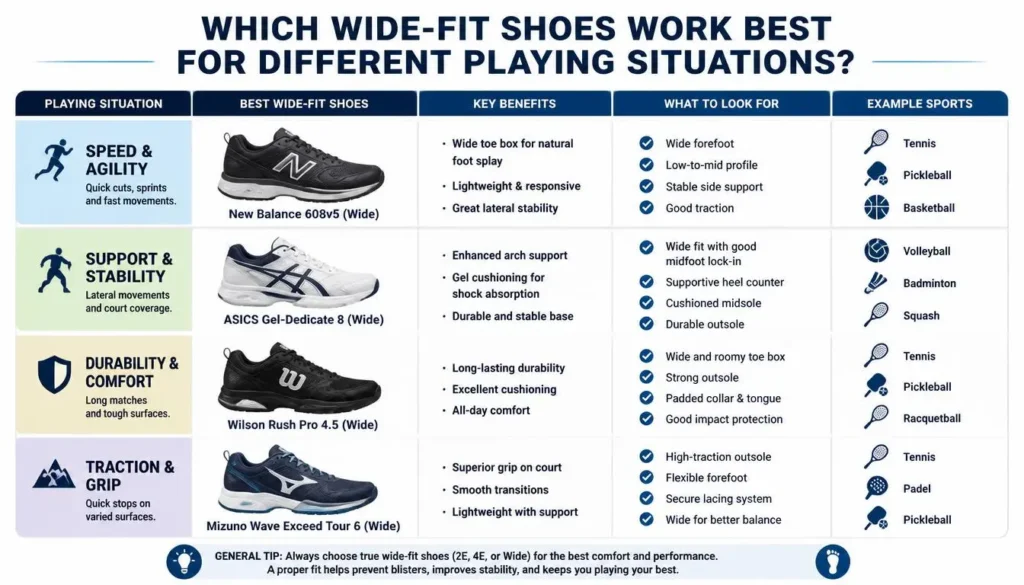
The best wide pickleball shoe can change depending on where and how you play. Indoor courts favor grip and quick movement, while outdoor play puts more emphasis on outsole durability, cushioning, and stability.
Best Wide Shoes for Indoor Pickleball
For indoor courts, choose a lightweight shoe with reliable non-marking grip and good lateral support. The K-Swiss Express Light 2E is a strong option when quick movement matters more than maximum cushioning.
Best Wide Shoes for Outdoor Courts
Outdoor courts are harder on shoes, so look for a durable rubber outsole and enough cushioning for hard surfaces. ASICS wide models and K-Swiss options are worth considering for frequent outdoor play
Also Read: Can You Play Pickleball In The Rain?
Best Wide Shoes for Beginners
Beginners should prioritize comfort, stability, and a forgiving fit instead of chasing the lightest shoe. A model with a genuine wide option can make it easier to move confidently while you learn proper court movement.
Best Wide Shoes for Long Games and Tournament Play
For long sessions, cushioning and a secure fit become more important. Choose a shoe that gives your forefoot room without allowing your heel to move, especially when playing several games in one session.
Best Wide Shoes for Players Who Move Aggressively
If you make frequent cuts, pivots, and quick side-to-side movements, prioritize lateral stability over softness. A supportive wide shoe should hold your foot firmly while still allowing enough room across the forefoot.
Do You Really Need Wide Pickleball Shoes?
Not every player with slightly wider feet needs a dedicated wide shoe. But if standard shoes regularly squeeze your toes, create pressure on the sides, or feel unstable during lateral movement, a wider fit is usually the better choice.
How Can You Tell If Your Pickleball Shoes Are Too Narrow?
How Can You Tell If Your Pickleball Shoes Are Too Narrow?
Your shoes may be too narrow if your toes feel cramped, your pinky rubs against the side, or your foot spills over the edge of the sole. These problems often become more noticeable after a long game.
- Side pressure: Your forefoot feels squeezed when you push sideways.
- Toe rubbing: Your pinky or other toes constantly touch the upper.
- Foot overhang: Part of your foot extends beyond the shoe’s sole.
- Numbness or hot spots: Pressure builds during longer sessions.
- Heel slipping: You size up for width, and the extra length leaves your heel moving.
Can You Size Up Instead of Buying Wide Shoes?
Usually, no. Going up a half-size gives your foot more length, but it does not properly widen the shoe’s shape. A dedicated wide option is usually the better solution when your problem is pressure across the forefoot.
How Can You Get a Better Fit From Wide Pickleball Shoes?
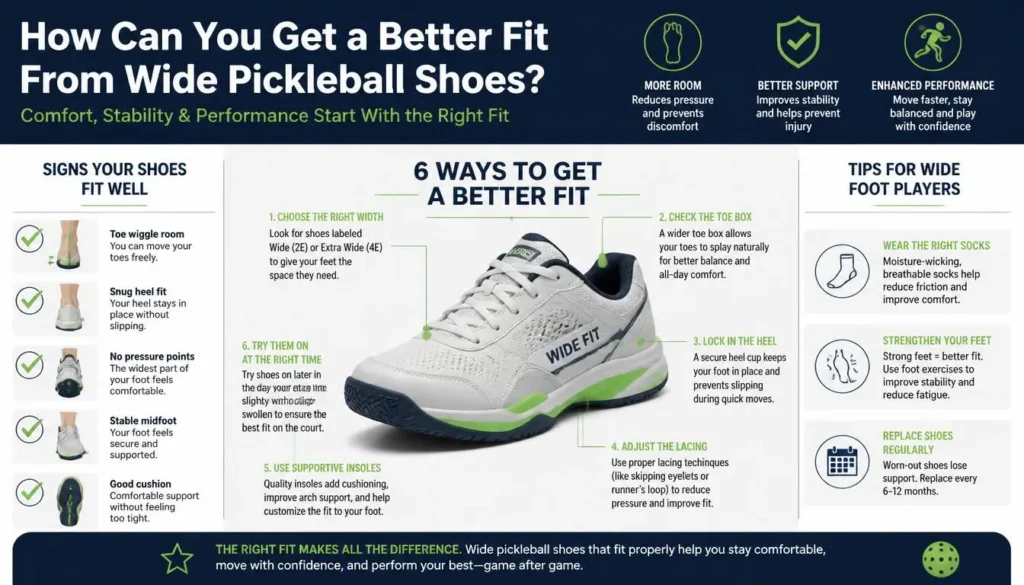
Getting the right width is the first step, but small fitting changes can make a good shoe feel even better. Measure your feet, choose the correct width, and make sure the heel remains secure when you move.
How to Measure Your Foot Width at Home
Measure your feet while standing on a hard floor so your full body weight is on them. Measure the widest part of both feet and use the larger measurement when choosing your shoe width.
Simple method:
- Place your foot on a sheet of paper.
- Trace around it while standing naturally.
- Measure across the widest part of your forefoot.
- Measure both feet.
- Use the wider foot when choosing your shoes.
How to Choose Between 2E and 4E
A 2E width is commonly used for wide feet, while 4E provides even more room for extra-wide feet. Width labels can vary by brand, so always check the manufacturer’s sizing chart before ordering. ASICS Shoe Width Guide.
| Width | General meaning |
| D | Standard men’s width |
| 2E | Wide men’s width |
| 4E | Extra-wide men’s width |
| B | Standard women’s width |
| D | Wide women’s width |
| 2E | Extra-wide women’s width |
How to Lace Shoes for More Forefoot Room
If your shoe fits well everywhere except the forefoot, changing the lacing pattern can reduce pressure. A looser pattern across the widest part can give your foot a little more breathing room without sacrificing heel security.
When Should You Try a Different Insole?
Consider a different insole when the shoe width is already correct, but the foot still lacks support or feels poorly positioned. An insole can improve comfort, but it should not be used to fix a shoe that is fundamentally too narrow.
How Much Break-In Time Do Wide Pickleball Shoes Need?
Give a new pair a few short sessions to soften and adapt, but don’t expect a badly fitting shoe to become wide with time. If strong pressure or rubbing continues, the problem is more likely the shoe’s shape or width.
What Should You Avoid When Buying Wide Pickleball Shoes?
A shoe can have plenty of room and still be a poor pickleball shoe. Avoid choosing based on width alone; stability, heel security, court grip, and the way the shoe fits your particular foot all matter.
Buying a Larger Size Instead of a Wider Width
Sizing up can create extra length without giving you the width you actually need. It may also allow your heel to move inside the shoe, which can cause rubbing and reduce stability during quick movements.
Choosing a Wide Toe Box With Poor Lateral Support
A roomy toe box is useful, but pickleball shoes still need to hold your foot securely during side-to-side movement. Look for a shoe that combines forefoot space with a stable heel and supportive midfoot.
Assuming Every “Wide” Shoe Has the Same Fit
“Wide” does not mean the same thing across every brand. Some shoes offer dedicated 2E or 4E widths, while others simply use a naturally wider or relaxed shape. Always check the actual width options and fit information
Ignoring the Court Surface and Your Playing Style
Your shoe should match how and where you play. Outdoor players need a durable outsole, while aggressive movers should place extra importance on lateral stability and secure foot lockdown.
FAQs:
What Is the Best Pickleball Shoe Width for Wide Feet?
A 2E width is commonly a good starting point for wide feet, while 4E offers more room for extra-wide feet.
How Should Pickleball Shoes Fit on Wide Feet?
They should feel roomy around the forefoot while keeping the heel and midfoot secure during movement.
Are Wide Pickleball Shoes Better for Wide Feet?
Yes. A proper wide fit usually provides better comfort and stability than squeezing into a standard-width shoe.
Can Wide Feet Wear Regular Pickleball Shoes?
Yes, if the standard shoe provides enough room without pressure, rubbing, or foot overhang.
Do Wide Pickleball Shoes Improve Comfort?
Yes. The right width can reduce forefoot pressure and give your toes more natural room during play.
Conclusion:
The best pickleball shoes for wide feet should balance a roomy toe box, secure fit, comfort, and lateral stability. Whether you need 2E or 4E width, choose shoes that match your feet, playing style, and court surface for confident movement and all-day comfort.